

RN Care Navigation for Neurodivergent Adults & Families.
Therapy can be an essential part of healing. At the same time, many people need something different alongside it: someone who can help make sense of the larger picture and help put things in context.
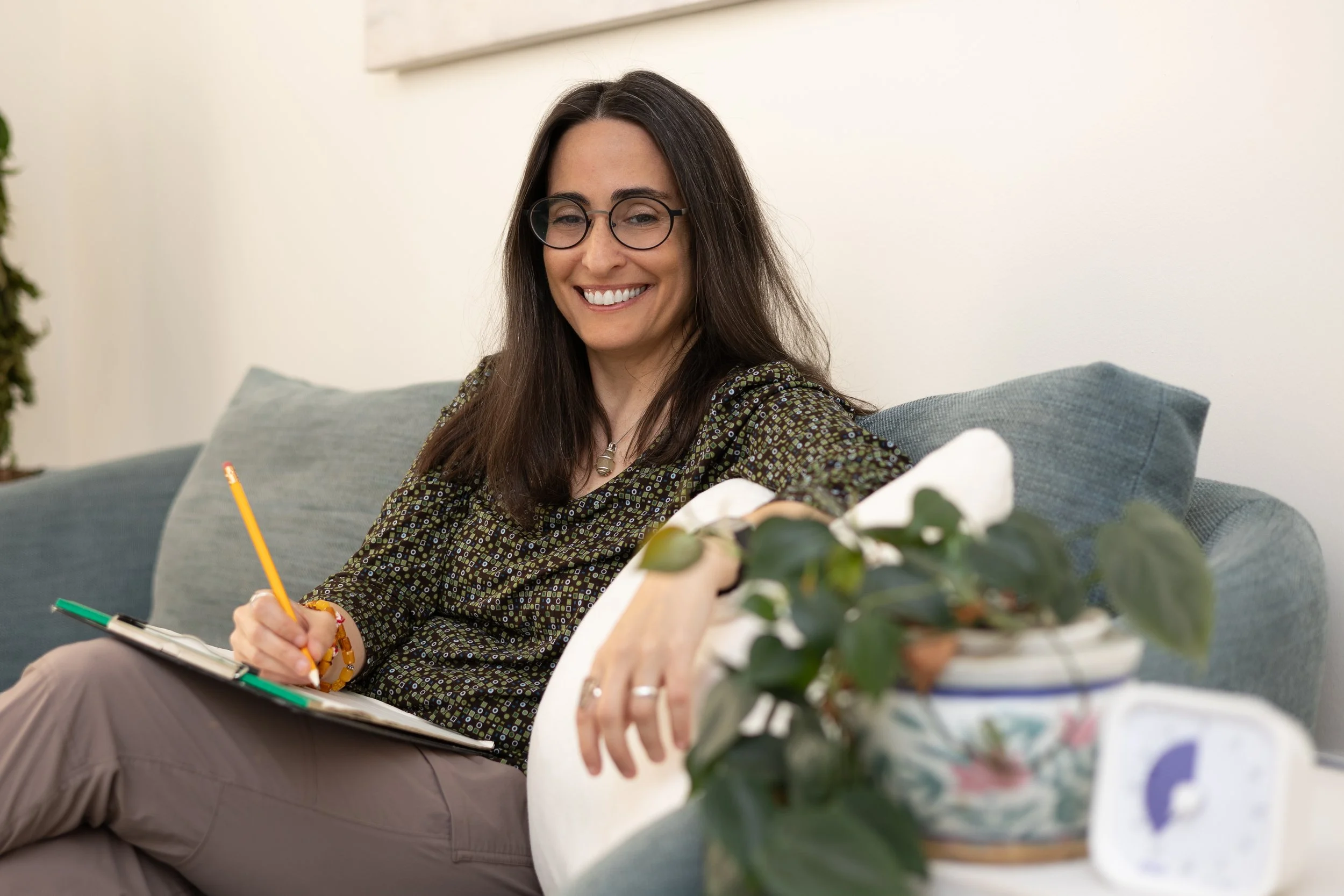
I am a registered nurse with more than 20 years of experience in mental health. I got my own autism diagnosis about 15 years ago before there was much awareness around the disorder. My life had been a clawing process of trying to figure out what was “wrong” with me. Only as the landscape has change and neurodiverse voices have been more heard have I learned that it’s not about what’s “wrong”, it’s about learning what’s unreasonable to ask of my nervous system.
What Is RN Care Navigation?
I offer a kind of support that sits between clinical insight and real-world problem solving. My work is not psychotherapy. It is RN care navigation: helping individuals and families understand what may be happening across the nervous system, medical needs, mental health, relationships, school, work, providers, and daily life — and then translating that understanding into practical next steps.
Autism is a family disorder, not just for children, but also for adults on the spectrum. There is a need for support. That is inherent in meeting the criteria for the diagnosis.
An RN care navigator can help you organize the moving pieces of putting together a support team. We talk about what questions to ask, what providers may be needed, what resources might fit, how are medications working or not working, what symptoms or patterns are being missed, and how to build a care plan that reflects the whole person rather than one isolated concern.
How I Work?
My approach is shaped by decades of professional experience, lived experience as an autistic adult, and a “special interest” in autism and all things mental health. That combination allows me to notice patterns that are often overlooked when autism, anxiety, depression, trauma, burnout, executive functioning, medical issues, identity, environment, and family stress are treated as separate problems.
Instead of focusing on “fixing” or “masking,” I help clients understand what is biologically underneath the distress. Together, we look at the full picture: your nervous system, environment, relationships, medical needs, communication patterns, sensory needs, supports, and barriers. From there, we identify what kind of help is actually likely to be useful.
When Care Gets Fragmented…
Clients often come to me when they feel stuck between systems: therapy is not enough, medical appointments feel fragmented, school or work supports are confusing, providers are missing the autism-informed lens, or no one is helping connect the medical, emotional, sensory, and practical pieces of care. My role is to help connect the dots, clarify the next steps, and reduce the sense of being alone with a complex situation.
Bringing the Body Back Into the Conversation
Neurodivergent people often have medical needs that are missed, minimized, or treated as unrelated. Autism, ADHD, OCD, and complex trauma frequently overlap with anxiety, depression, sleep disorders, gastrointestinal issues, feeding differences, seizures or epilepsy, hypermobility, chronic pain, dysautonomia or orthostatic intolerance, migraines, immune/allergy concerns, and medication sensitivity. When these issues are not recognized, distress can be mislabeled as “behavioral,” “noncompliant,” “avoidant,” or “just anxiety.” RN care navigation helps bring the body back into the conversation.
The care I provide is attentive, collaborative, practical, and informed by nursing, the most current research, and neurodivergent lived experience. It is designed to help people move from confusion and overwhelm toward clarity, better support, and more sustainable ways of living.